
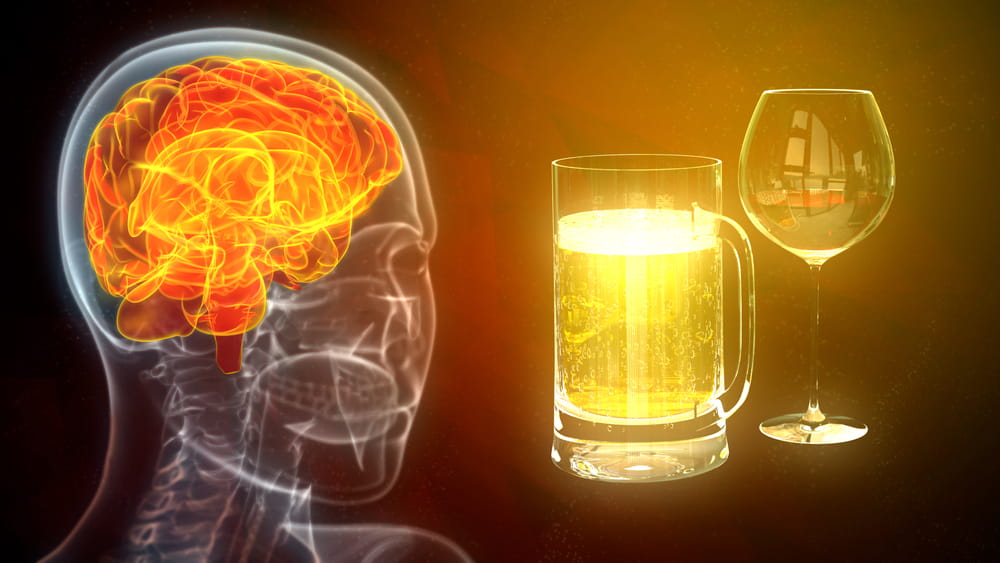
Millions of Americans drink without fully understanding how alcohol affects the brain. Heavy drinking is linked to visible changes in brain structure, including areas responsible for memory, focus, and self control. Drinking alcohol can lead to changes in mood, thinking, and behavior due to the way it affects the brain. Negative impact is noted in neurotransmitter disruption, dopamine effects, and slowed brain communication.
This guide covers:
- Short-term effects of alcohol on brain function
- Long-term effects of alcohol on the brain
- Whether alcohol can cause permanent brain damage
- Understanding wet brain syndrome
- Whether the brain can heal after chronic alcohol use
- How long recovery from alcohol takes
- Treatments for alcohol use disorder
Short-Term Effects of Alcohol on Brain Function
Alcohol and Memory Impairment
Alcohol makes it harder for the brain to form new memories because it interferes with the hippocampus, the area responsible for storing new information. When alcohol suppresses glutamate, a chemical involved in learning, the brain cannot properly record events. 1 This is why alcohol and memory loss can occur during a single night of heavy drinking, including blackouts where the person remains awake but cannot recall what happened later.
Alcohol and Coordination
Alcohol affects coordination by disrupting the cerebellum, which controls balance and fine motor movement. It also slows communication between nerve cells, which delays reaction time. 2 As alcohol and brain function become impaired, movements become less precise, speech may slur, and driving becomes dangerous even at moderate levels of intoxication.
Alcohol and Decision Making
Alcohol reduces activity in the prefrontal cortex, the part of the brain that manages judgment, impulse control, and planning. When this area is suppressed, the ability to weigh consequences weakens. 3 These short term effects of alcohol on the brain explain why people may take risks, overspend, argue, or engage in unsafe behavior while drinking.
Long-Term Effects of Alcohol on the Brain
Alcohol and Cognitive Decline
Repeated heavy drinking can gradually damage areas of the brain involved in attention, problem solving, and processing speed. Over time, the long term effects of alcohol on the brain may include difficulty concentrating, slower thinking, and trouble organizing tasks. Brain imaging studies have shown reduced gray matter volume in individuals with long histories of alcohol misuse. 4
Alcohol Emotional Regulation
Alcohol changes the balance of chemicals that help regulate mood, including dopamine and serotonin. With repeated use, the brain produces less of these chemicals on its own. As alcohol and brain function become altered, anxiety, irritability, and low mood may increase, especially during periods without alcohol. 5
Can Alcohol Cause Permanent Brain Damage?
Alcohol can cause permanent brain damage when use is heavy, frequent, and prolonged. Repeated exposure to high levels of alcohol disrupts brain cell communication, increases inflammation, and reduces the brain’s ability to repair itself. Over time, these changes can lead to measurable shrinkage in areas responsible for memory, judgment, and emotional control.
Research shows that chronic heavy drinking is associated with loss of gray matter and white matter integrity. Gray matter supports thinking and decision making, while white matter allows different parts of the brain to communicate efficiently. 6 When these structures are damaged, cognitive problems can persist even after a person stops drinking.
Not every change is permanent. The brain has the ability to recover to some extent (plasticity), especially with sustained abstinence and proper medical care. 7 However, long term heavy drinking increases the risk of lasting alcohol brain damage, particularly when combined with repeated withdrawal episodes, poor nutrition, or untreated mental health conditions. Early intervention significantly improves the chances of protecting brain health.
What Is Wet Brain Syndrome?
Wet brain syndrome is a serious neurological condition caused by a severe deficiency of vitamin B1, also known as thiamine. It most often develops in people with long histories of heavy alcohol use because alcohol interferes with the body’s ability to absorb, store, and use thiamine properly. 8
The condition has two stages known as Wernicke encephalopathy and Korsakoff syndrome. Wernicke encephalopathy is the acute phase and can cause:
- Confusion
- Difficulty with eye movements
- Problems with balance
- Problems with coordination
Without immediate treatment, it can progress to Korsakoff syndrome, which involves severe and lasting memory impairment. People may struggle to form new memories and may fill in memory gaps without realizing it.
Research shows that thiamine deficiency can damage areas of the brain involved in memory and learning, particularly structures deep within the brain that support recall. Wet brain syndrome represents one of the most serious examples of alcohol brain damage, but early treatment with high dose thiamine can prevent progression and, in some cases, reverse early symptoms. 9
How Does Alcohol Affect the Brain: Can the Brain Heal After Alcohol Use?
When alcohol use stops, the brain begins a gradual repair process known as neuroplasticity, which allows nerve cells to strengthen existing connections and form new ones.
Research shows that some improvements in brain structure can occur within months of sustained abstinence. Imaging studies have documented partial recovery of gray matter volume and improved white matter integrity after prolonged sobriety. 10 Cognitive functions such as attention, problem solving, and reaction time often improve as the brain stabilizes.
Recovery is not immediate, and not all changes fully reverse. The extent of healing depends on how long and how heavily a person drank, overall physical health, nutritional status, and whether other mental health conditions are present.
How Long Does Recovery Take?
Brain recovery timelines vary from person to person. Some improvements in sleep, mood, and concentration can appear within several weeks of stopping alcohol. Clearer thinking and better memory often continue to improve over several months.11
Structural changes in the brain may take longer. Studies using brain imaging have shown measurable improvements in brain volume and connectivity within months of abstinence in many individuals. 12 However, people with a long history of heavy alcohol use may experience a slower recovery process.
Consistent medical care, proper nutrition, stable sleep, and ongoing treatment support all contribute to healthier brain recovery over time.
Factors That Influence Brain Recovery
- Duration of alcohol use: The longer a person drinks heavily, the greater the strain on brain cells and communication systems. Years of misuse are linked to more noticeable structural changes and slower recovery timelines.
- Amount and frequency of drinking: Higher daily intake and repeated binge episodes increase the risk of alcohol brain damage. Frequent cycles of intoxication and withdrawal place additional stress on the nervous system.
- Age: Younger brains generally show greater neuroplasticity, which supports recovery. Older adults can still improve, but structural repair and cognitive gains may take longer.
- Overall physical health: Conditions such as liver disease, cardiovascular problems, and poor sleep can interfere with oxygen delivery and nutrient supply to the brain. Good physical health supports more stable healing.
- Nutrition and vitamin levels: Deficiencies, particularly in thiamine, can worsen neurological injury. Proper nutrition plays a direct role in protecting brain cells and supporting repair.
- Mental health conditions: Depression, anxiety, and trauma related disorders affect alcohol and brain function recovery. Untreated mental health symptoms can slow progress and increase relapse risk.
- Withdrawal history: Multiple severe withdrawal episodes can increase neurological stress. Medically supervised detox reduces the risk of complications that may affect long term brain health.
- Treatment support: Structured care, including medical monitoring and therapy, improves outcomes. Professional treatment helps stabilize brain chemistry, address co-occurring conditions, and reduce repeated exposure to alcohol.
Treatment Options for Neurological Recovery in Alcohol Use Disorder
Neurological recovery after alcohol use disorder requires more than simply stopping alcohol use. Emory Recovery Center offers several levels of care designed to promote long term brain health and functional recovery.
Inpatient Treatment
Inpatient care provides 24-hour medical and clinical supervision in a structured setting. This level of care is appropriate for individuals with severe alcohol dependence, high relapse risk, or significant withdrawal symptoms. Medical oversight reduces complications during early recovery, which protects brain function during the most vulnerable phase. A stable, alcohol free environment also supports early cognitive stabilization and improves treatment engagement.
Day Treatment Program
Emory Recovery’s day treatment program or PHP offers intensive therapeutic support during daytime hours while allowing clients to return home in the evening when clinically appropriate. This level of care provides structured therapy, psychiatric support, and relapse prevention planning. Consistent daily engagement improves emotional regulation and helps restore healthier patterns of alcohol and brain function over time.
Intensive Outpatient Program
The intensive outpatient program allows individuals to receive focused treatment several days per week while maintaining work or family responsibilities. Ongoing therapy helps address thinking patterns, stress response, and triggers that contribute to alcohol use. Research published in The American Journal of Psychiatry shows that structured outpatient programs can significantly improve long term sobriety outcomes when combined with continued support.
Outpatient Treatment
Outpatient care provides continued therapeutic support at a lower intensity. This level is appropriate for individuals who have stabilized medically and need ongoing guidance to maintain recovery. Regular sessions reinforce coping strategies and help strengthen cognitive control, which supports continued neurological healing.
Individual Therapy
Individual therapy allows clients to work one on one with a licensed clinician to address underlying stress, trauma, or mental health conditions. Targeted therapy supports emotional regulation and reduces the risk of relapse. Addressing co-occurring mental health concerns improves overall recovery outcomes and promotes more stable brain function.
Group Therapy
Group therapy provides peer support and shared accountability. Social connection plays a measurable role in recovery, as supportive relationships reduce stress related relapse risk and improve long term treatment retention. Structured group work also helps rebuild communication skills that may have declined during prolonged alcohol use.
28 and 30 Day Rehabilitation Programs
Short term residential rehab programs provide focused, immersive care during early recovery. Concentrated therapeutic work during this period supports brain stabilization and establishes healthy behavioral patterns.
Reach Out to Emory Recovery in Massachusetts for More Advice on Alcohol Use Disorder Recovery Today
If you or someone you care about is struggling with Alcohol Use Disorder, early support can make a meaningful difference in both brain health and long term recovery. Changes in memory, mood, concentration, or decision making often signal that alcohol is affecting neurological function more than expected. Professional evaluation helps determine the appropriate level of care and reduces the risk of ongoing alcohol brain damage.
Emory Recovery Center in Massachusetts offers comprehensive treatment programs designed to support medical stabilization, cognitive recovery, and sustained sobriety. The clinical team provides individualized care based on each person’s health history, mental health needs, and recovery goals.
Speaking with a recovery specialist can clarify next steps and answer questions about treatment options, insurance coverage, and program structure. Contact us at 508-286-8177 or send us an email here.
Sources:
- White, A. M. (2003). What happened? Alcohol, memory blackouts, and the brain. Alcohol Research and Health, 27(2), 186–196. https://pmc.ncbi.nlm.nih.gov/articles/PMC6668891/
- Sullivan, E. V., Rosenbloom, M. J., Deshmukh, A., Desmond, J. E., & Pfefferbaum, A. (1995). Alcohol and the cerebellum: Effects on balance, motor coordination, and cognition. Alcohol Health and Research World, 19(2), 138–141. https://pmc.ncbi.nlm.nih.gov/articles/PMC6875723/
- Abernathy, K., Chandler, L. J., & Woodward, J. J. (2010). Alcohol and the prefrontal cortex. International Review of Neurobiology, 91, 289–320. https://pmc.ncbi.nlm.nih.gov/articles/PMC3593065/#:~:text=Alcohol%20has%20profound%20effects%20on%20the%20prefrontal,NMDA%2Dmediated%20EPSCs%20from%20deep%2Dlayer%20PFC%20pyramidal%20neurons
- Study reveals how alcohol abuse damages cognition. (2025, April 2). The Hub. https://hub.jhu.edu/2025/04/02/how-alcohol-abuse-damages-cognition/
- Banerjee, N. (2014). Neurotransmitters in alcoholism: A review of neurobiological and genetic studies. Indian Journal of Human Genetics, 20(1), 20–31. https://pmc.ncbi.nlm.nih.gov/articles/PMC4065474/
- Daviet, R., Aydogan, G., Jagannathan, K., Spilka, N., Koellinger, P. D., Kranzler, H. R., Nave, G., & Wetherill, R. R. (2022). Associations between alcohol consumption and gray and white matter volumes in the UK Biobank. Nature Communications, 13(1), 1175. https://pmc.ncbi.nlm.nih.gov/articles/PMC8897479/#:~:text=However%2C%20the%20observed%20associations%20between,a%20high%20level%20of%20alcohol).
- National Institute on Alcohol Abuse and Alcoholism. (2025, May 8). Neuroscience: The brain in addiction and recovery. https://www.niaaa.nih.gov/health-professionals-communities/core-resource-on-alcohol/neuroscience-brain-addiction-and-recovery
- Martin, P. R., Singleton, C. K., & Hiller-Sturmhöfel, S. (2003). The role of thiamine deficiency in alcoholic brain disease. Alcohol Research and Health, 27(2), 134–142. https://pmc.ncbi.nlm.nih.gov/articles/PMC6668887/
- Gibson, G. E., Hirsch, J. A., Fonzetti, P., Jordan, B. D., Cirio, R. T., & Elder, J. (2016). Vitamin B1 thiamine and dementia. Annals of the New York Academy of Sciences, 1367(1), 21–30. https://pmc.ncbi.nlm.nih.gov/articles/PMC4846521/
- Korponay, C., Kosson, D. S., Decety, J., Kiehl, K. A., & Koenigs, M. (2017). Brain volume correlates with duration of abstinence from substance abuse in a region specific and substance specific manner. Biological Psychiatry Cognitive Neuroscience and Neuroimaging, 2(7), 626–635. https://pmc.ncbi.nlm.nih.gov/articles/PMC5749429/
- Even a day off alcohol makes a difference – Our timeline maps the health benefits when you stop drinking. (n.d.). UNSW Sites. https://www.unsw.edu.au/newsroom/news/2025/07/day-off-drinking-alcohol-abstinence-health-benefits-stop-drinking
- Parvaz, M. A., Rabin, R. A., Adams, F., & Goldstein, R. Z. (2022). Structural and functional brain recovery in individuals with substance use disorders during abstinence: A review of longitudinal neuroimaging studies. Drug and Alcohol Dependence, 232, 109319. https://pmc.ncbi.nlm.nih.gov/articles/PMC8885813/